How EyeDetect and VerifEye lie detector tests work
What is measured, how the questions are set, how results are scored, how these tests differ from a polygraph, and the limits you should know about.
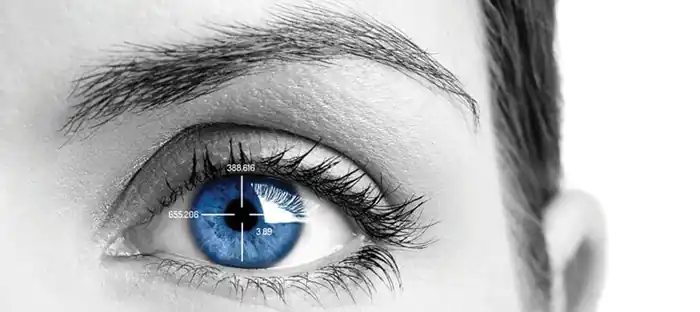
What these tests measure
EyeDetect and VerifEye are eye-tracking lie detector tests developed by Converus, based on research that began at the University of Utah in 2003. Instead of sensors on the body, a camera records small, involuntary changes in the eyes while the person answers questions:
- Pupil size
- Eye movements
- Blinking
- Where and how long the eyes settle on things
The idea behind the method is that lying takes more mental effort than telling the truth, and that extra effort can show up in the eyes. Software analyzes the recordings and produces a score.
Is EyeDetect a polygraph?
EyeDetect is a modern alternative to the traditional polygraph, commonly known as a lie detector test.
While a traditional polygraph measures physical responses using sensors attached to the body, EyeDetect uses advanced eye-tracking technology to measure involuntary eye responses while you answer questions.
Both methods are designed to help assess whether someone is being truthful, but they use different technologies.
EyeDetect is non-invasive, requires no wires or sensors attached to your body, and typically takes less time than a traditional polygraph examination.
Like all deception detection methods, neither technology can guarantee 100% accuracy.
EyeDetect and VerifEye
- A camera records eye behaviour. Nothing is attached to the body.
- About 10 to 30 minutes of testing.
- Scored automatically by software.
- VerifEye can be taken remotely on a phone.
Polygraph
- Sensors on the chest, fingers and arm.
- Usually two to three hours or more, including the interview.
- Charts are scored by the examiner, sometimes with software help.
- Must be done in person.
Many people searching for a "polygraph test" are looking for any professional lie detector test. If someone has asked you for a polygraph by name, call the examiner first to discuss whether an EyeDetect or VerifEye test will meet their needs.
The two ways to test
EyeDetect, in person
You sit at an EyeDetect station: a computer with a high-speed eye-tracking camera. You read or hear each statement and answer True or False. A test takes about 15 to 30 minutes, after a short practice round. Available in Southwestern Ontario, and anywhere in Canada by appointment. More about EyeDetect testing.
VerifEye, remote
VerifEye is an app that uses your phone's camera. You receive a private test link, watch a short tutorial, and answer the questions out loud. The test takes about 10 minutes. More about VerifEye remote testing.
Your written statement
Every test is built around a written statement. The person being tested writes, in their own words, what they did or did not do, or said or did not say. The test then checks their truthfulness against that statement. There are no surprise questions about other topics.
Short, focused statements give the clearest results. If a statement contains a lot of detail and the result shows deception, it is much harder to tell which part was untrue. The examiner will help you keep your statement to the point.
Two types of test
Single-issue test
- Tests one specific statement, such as whether you took a particular item.
- Gives the clearest, most reliable results.
- Recommended for most situations.
Multi-issue test
- Tests up to three topics.
- The topics must be closely related for the best result.
- Used when one statement cannot cover the situation.
How results are produced
The answers and eye measurements are scored automatically by Converus software. The result is reported as a credibility score, which is the software's estimate of the likelihood that the person was truthful, along with a pass or fail outcome. Nobody, including the examiner, can change the score. The examiner then explains what the result does and does not mean.
Important limitations
- No lie detector test is 100% accurate. Errors in both directions are possible.
- The accuracy figures for EyeDetect (about 86% to 88%) and VerifEye (about 80%) are reported by the manufacturer. Independent research on eye-tracking lie detection is still limited.
- Results can be affected by eye conditions, some medications, fatigue, alcohol or drugs.
- Results are not proof of guilt or innocence and are not accepted as evidence in Canadian criminal courts.
Questions about accuracy, nerves or medication? See the questions and answers.